Safety, quieter skies, cleaner air
Airport Modernization
public engagement
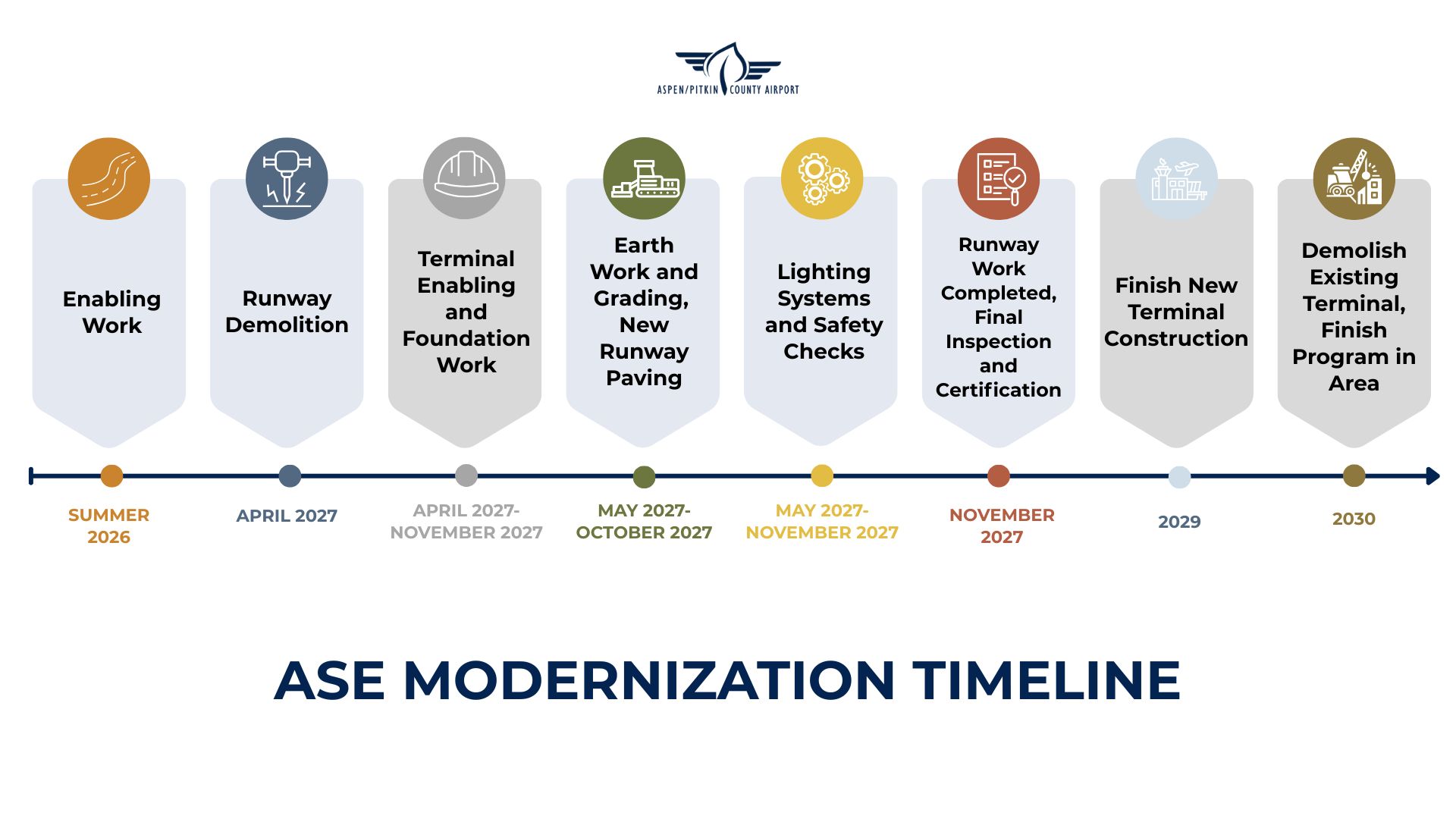
Following years of planning and voter approval in November 2024, the Aspen/Pitkin County Airport (ASE) Modernization Project is currently in the Design Development phase of the Terminal Design process, following completion of Schematic Design and approval from the Pitkin County Board of County Commissioners to advance the project.
During Design Development, the project team is refining the terminal’s layout, building systems, materials and other design details. The work continues to focus on creating a terminal that reflects the character of the community, meets opening-day needs and remains flexible as the needs of the Roaring Fork Valley change.
Following Design Development, the project will move into Construction Documentation, when detailed plans are prepared for permitting and construction. The new terminal is targeted for completion in 2029.
The project’s centerpiece is a new passenger terminal to better serve travelers, locals and airport staff. In 2026 a new terminal will be designed to reflect the community-led and values-driven “Common Ground Recommendations” adopted by the Pitkin County Board of County Commissioners (BOCC) in December 2020.
For more information on the 2027 Airport Closure, go to aspenairport.com/closure.
Terminal Design Timeline

Project Timeline and Milestones
Anticipated over five years, from 2025 to 2029, the phased project schedule is designed to minimize impacts to travelers, residents, and local businesses.
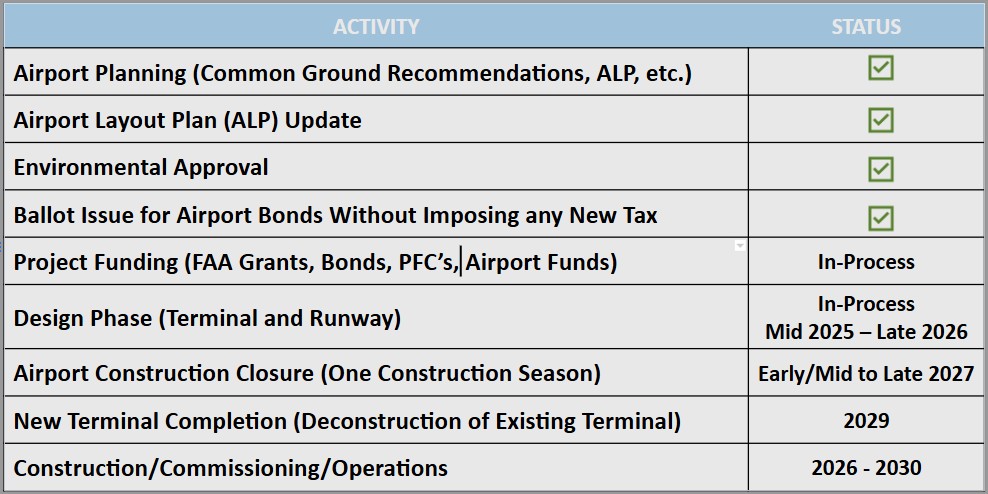
The accelerated schedule is ambitious and will require significant resource commitments to complete the runway reconstruction by the end of 2027. Below is a summary of the project status:
Where We’re Going
- Pursue and secure FAA funding approvals (after Supplemental EA is approved)
- Design new runway and new terminal (mid 2025 – late 2026)
- Hire construction contractors for terminal project (mid 2026)
- Close airport to reconstruct runway and start terminal construction (April 2027 to Q4 2027)
- Anticipated completion of the new terminal by 2029, at which time the existing terminal will be deconstructed
Where We’ve Been
- ASE Vision Common Ground Recommendations adopted by BOCC (Dec. 2020)
- Airport ballot initiatives pass with significant support (Nov. 2024)
- Program Management Plan established to define scope, schedule and cost estimates
- Procure passenger terminal (ZGF Architects) and airfield (Kimley Horn) design teams
- Establish advisory task forces for terminal design and multi-modal transportation
- Environmental approval completed (Aug. 2025)
- BOCC approves bond initiative for airport redevelopment (Aug. 27, 2025)
- Without imposing any new tax, ballot initiative for airport bonds (Nov. 4, 2025)
- Kiewit Infrastructure was selected as the Construction Manager at Risk (CMAR) for the runway reconstruction and shift project. (April 2026)
- BOCC approves resolution to move the project forward into formal permitting and future construction phases May 27, 2028)
There are no disruptions to service planned during the construction of the new terminal.
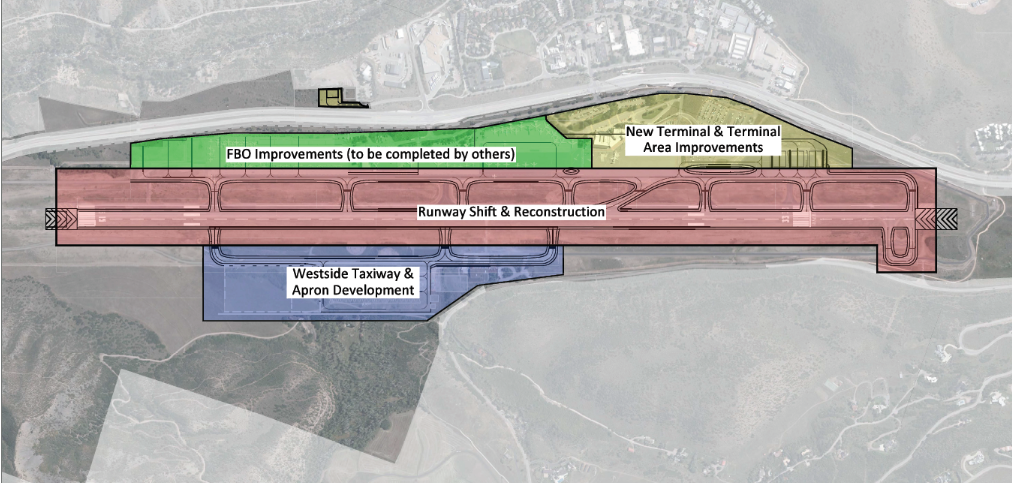
Reflecting the Common Ground Recommendations
The Aspen/Pitkin County Airport (ASE) Modernization Project is one of the most significant community initiatives in our region’s history. With decades of conversation and planning leading to this moment, we are committed to ensuring that every step forward reflects the values and priorities of our community.
Following voter approval in November 2024, the ASE Modernization Program moved into the design phase. The project’s centerpiece is a new passenger terminal to better serve travelers, locals and airport staff. Through the end of 2026, a new terminal will be designed to reflect the community-led and values-driven “Common Ground Recommendations” adopted by the Pitkin County Board of County Commissioners (BOCC) in December 2020.
Key Project Milestones
Project Design Progress
- Design teams are in place for the airport modernization: ZGF for the terminal and Kimley-Horn for the runway.
- Design work is underway and expected to be completed by the end of 2026.
Community Involvement
- Terminal Design and Multi-Modal Connectivity Task Forces were formed to bring a community perspective into the design process, guided by the Common Ground Recommendations (CGRs).
- Three community open houses were held, along with two community surveys.
Funding & Next Steps
- The FAA committed funding for runway improvements over the next three years, with approximately $40 million anticipated in the first year.
- An application was submitted for approximately $15 million in terminal funding through the FAA’s Airport Terminals Program (ATP).
- Voters approved Ballot Issue 1A, authorizing bond funding to support terminal and airfield improvements.
- Concept 2+ was selected to move forward into Schematic Design after community input and approval by the AAB and BOCC.
- In January 2026, the BOCC unanimously approved the ASE Concept and Programming Phase Summary Book.

Project Background
What is modernization?
The core goals of the Aspen/Pitkin County Airport Modernization Project are to enhance safety, reduce noise impacts, and lower emissions. Achieving these goals requires updating our facilities and system to keep pace with a changing world.
While modernization started with a community visioning process, it must also become part of an Airport Layout Plan (ALP), a technical document used by the Federal Aviation Administration to program funding for the airport. In 2020, the Pitkin County Commissioners directed the airport to update its existing ALP to include community goals and aspirations.
Project Background
Why do we need modernization?
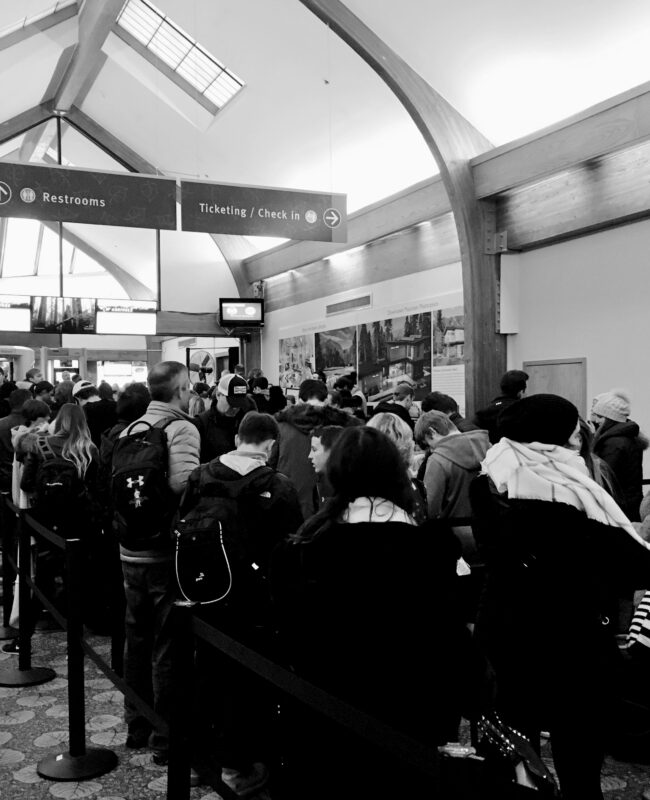
While airports across the globe have implemented innovations to critical infrastructure like passenger terminals, Aspen’s terminal hasn’t been renovated in almost 40 years. Not only has the community expressed a desire for updates, the FAA is requiring the airport to update the airfield to comply with safety standards.
Project Background
What led up to modernization?
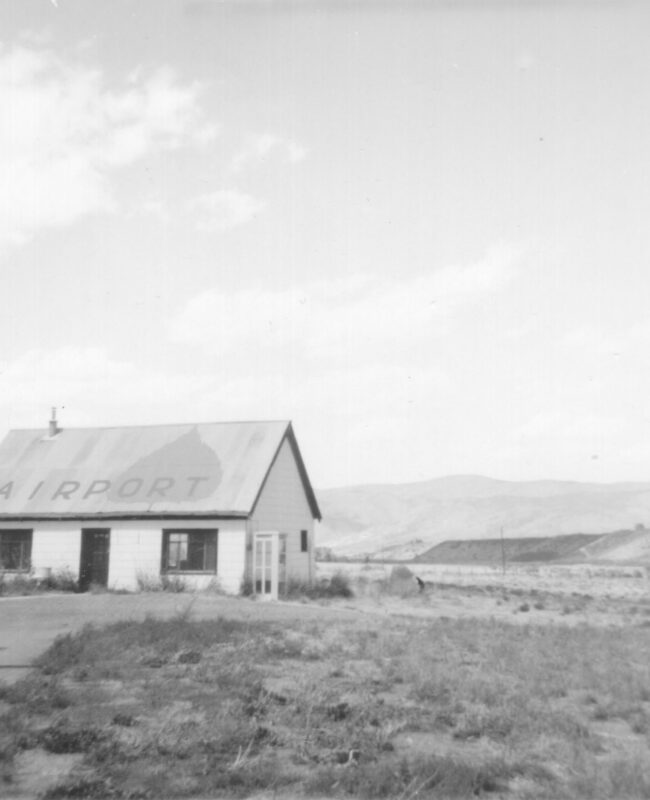
Contemporary modernization efforts kicked off in 2019 and 2020 when a community-led process to improve the airport began in conjunction with stipulations from the Federal Aviation Administration to meet safety standards. Since opening in 1946, ASE has prioritized innovation. The terminal, constructed in 1976, was the first commercial building in the country to use passive solar heating. ASE has always been driven by a spirit of modernization and today’s plans aim to continue to improve the airport for the traveling public of the future.
Photo credit: Aspen Historical Society, Lavinia Meeks Collection